
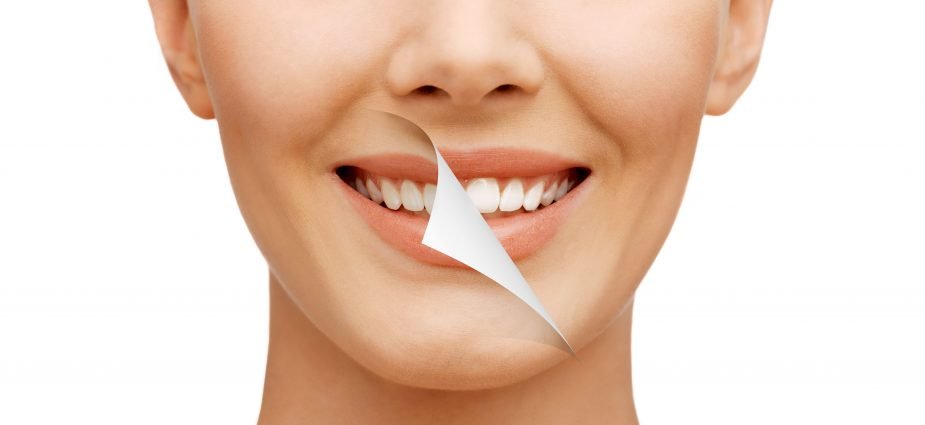
Dental photography is a vital tool in modern dentistry, providing high-quality visual documentation for case documentation and visual records. Whether it’s for patient education, treatment planning, or professional presentations, capturing precise and accurate images enhances communication and improves outcomes in dental care.
Why is Dental Photography Important?
- Case Documentation: Accurate images provide a clear record of a patient’s condition before, during, and after treatment.
- Patient Education: Visual aids help patients understand their conditions and the treatments being proposed.
- Professional Collaboration: Sharing images with specialists or colleagues improves communication and treatment coordination.
- Marketing and Presentations: High-quality photographs are essential for showcasing successful cases in educational materials or professional portfolios.
Essential Equipment for Dental Photography
1. Camera Options
- DSLR Cameras: Preferred for professional results due to their flexibility and image quality.
- Mirrorless Cameras: Lightweight and compact, offering comparable performance to DSLRs.
- Smartphones: While less versatile, newer models with advanced camera systems can be used for basic documentation.
2. Lenses
- Macro Lenses: Essential for close-up shots of teeth and oral structures.
- Standard Lenses: Useful for full-face photography in orthodontic cases.
3. Lighting
- Ring Flashes: Provide even lighting, minimizing shadows.
- Twin Flashes: Allow for adjustable lighting to highlight specific areas.
4. Accessories
- Retractors and Mirrors: Help achieve clear views of intraoral structures.
- Tripods: Ensure stability for consistent shots.
- Cheek and Lip Retractors: Improve access to capture clear images.
Best Practices for Dental Photography
1. Prepare the Patient
- Ensure the patient’s teeth are clean for clarity in the images.
- Use retractors to expose the teeth and oral cavity fully.
2. Maintain Consistency
- Use the same angles and lighting conditions for all photos to ensure comparability.
- Create a standardized workflow to capture full-face, intraoral, and occlusal views.
3. Master the Camera Settings
- Aperture: A smaller aperture (higher f-stop) increases depth of field, ensuring sharp focus.
- Shutter Speed: Use faster speeds to prevent blur.
- ISO Settings: Keep ISO low to minimize noise in the images.
4. Post-Processing and Organization
- Use software to adjust brightness and contrast while maintaining natural color balance.
- Organize images systematically with proper labeling for easy retrieval.
Common Challenges and How to Overcome Them
| Challenge | Solution |
|---|---|
| Patient movement | Use shorter shutter speeds and stabilize with a tripod. |
| Poor lighting | Invest in proper flash systems and reflectors. |
| Reflections from mirrors | Angle mirrors carefully to avoid glare. |
| Lack of color accuracy | Use color calibration tools during editing. |
Applications of Dental Photography
1. Case Documentation
Capture initial conditions, procedural stages, and final outcomes to build a comprehensive case history.
2. Visual Records for Legal and Ethical Purposes
Maintain detailed visual documentation to address potential disputes or medico-legal issues.
3. Education and Training
Dental photography is invaluable in teaching students and educating patients.
4. Research and Publication
High-resolution images are essential for publishing articles and presenting findings.
Trends in Dental Photography
- Smartphone Integration: Improved camera systems in smartphones are making dental photography more accessible.
- AI-Based Enhancements: Automated adjustments for lighting and focus streamline the process.
- 3D Imaging: Combining photography with 3D scanning for advanced case studies.
Mastering dental photography is crucial for any dental professional. With the right tools, techniques, and practices, it becomes a powerful medium for case documentation and creating detailed visual records. As technology advances, dental photography will continue to evolve, providing even greater value to the profession.